
Little Loops, Big Smiles Among the Trees
Designing Loops Everyone Can Enjoy
{{SECTION_SUBTITLE}}

Right-Sized Distances
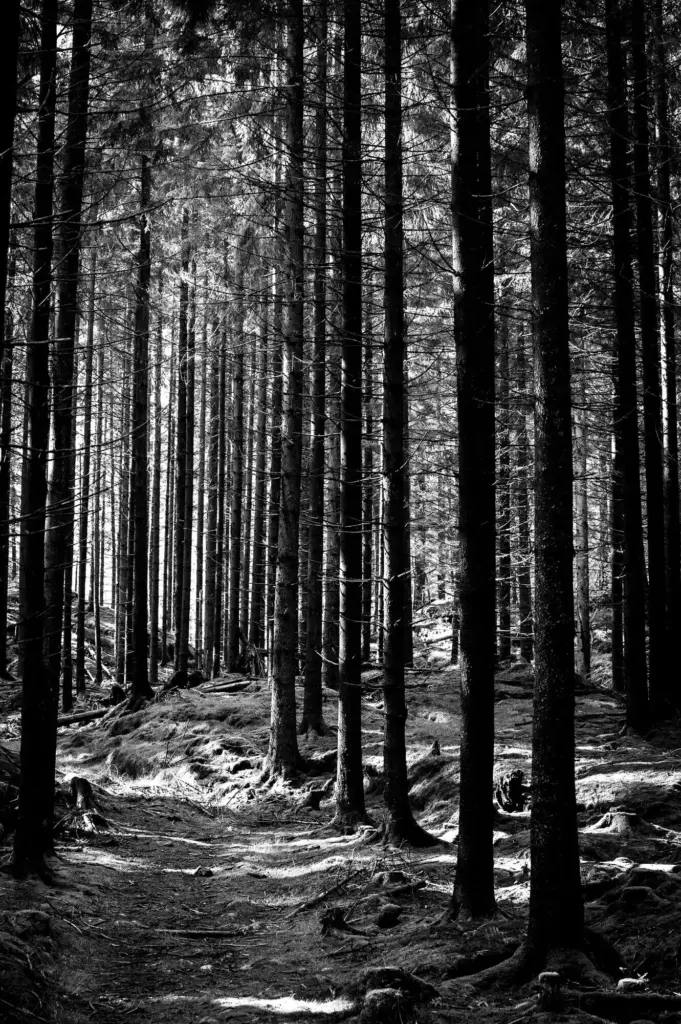
Surfaces and Footing
Wayfinding That Feels Like Discovery
Kid-Friendly Maps and Landmarks
Use bold icons, bright lines, and friendly scale bars that translate minutes, not miles. Mark memorable features—“the leaning pine,” “the frog log,” “the tiny bridge”—and celebrate them on small passports. Children take ownership when they can predict what’s ahead, find it themselves, and joyfully report, stamp, or sketch their discoveries.
Color Bands and Breadcrumbs
Color blazes at both adult and child eye heights reinforce security. Add occasional ground-level medallions or painted roots at junctions, forming breadcrumb patterns kids love to count. Consistent spacing matters; too sparse feels uncertain, too dense distracts. Aim for reassuring presence that whispers, not shouts, guiding attention back to the living forest.
Stories in the Signs
Interpretive signs can be concise yet enchanting. Swap lectures for characters: a chickadee narrator, a shy moss, or an oak grandparent sharing rings of memory. Invite families to touch bark textures, listen for calls, and pause for a minute-long challenge, turning reading into motion, and motion into lasting, sensory-rich understanding.
Wildlife Moments Without the Worry
Seasonal Calendar of Life
Safe Distances and Quiet Habits
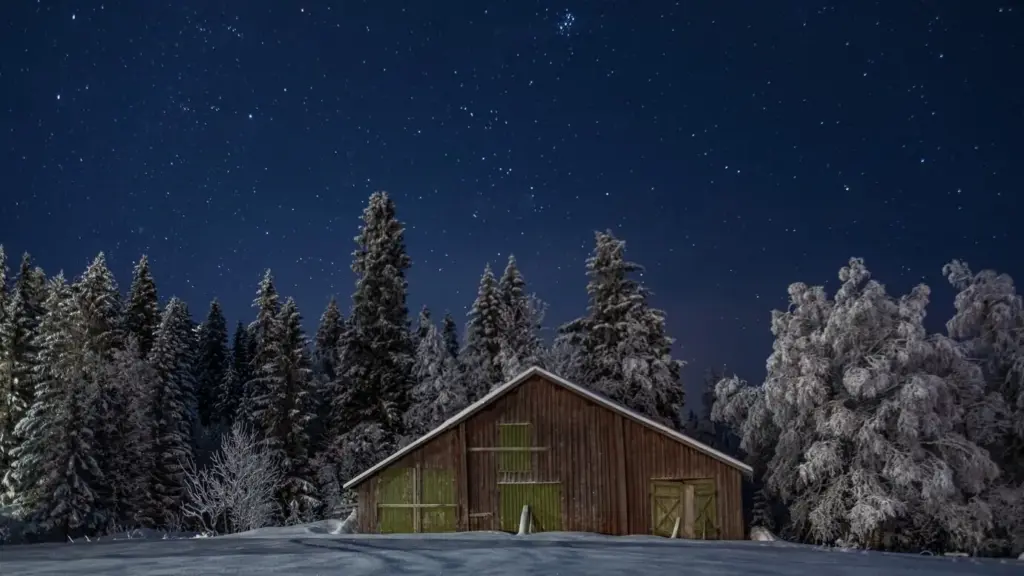
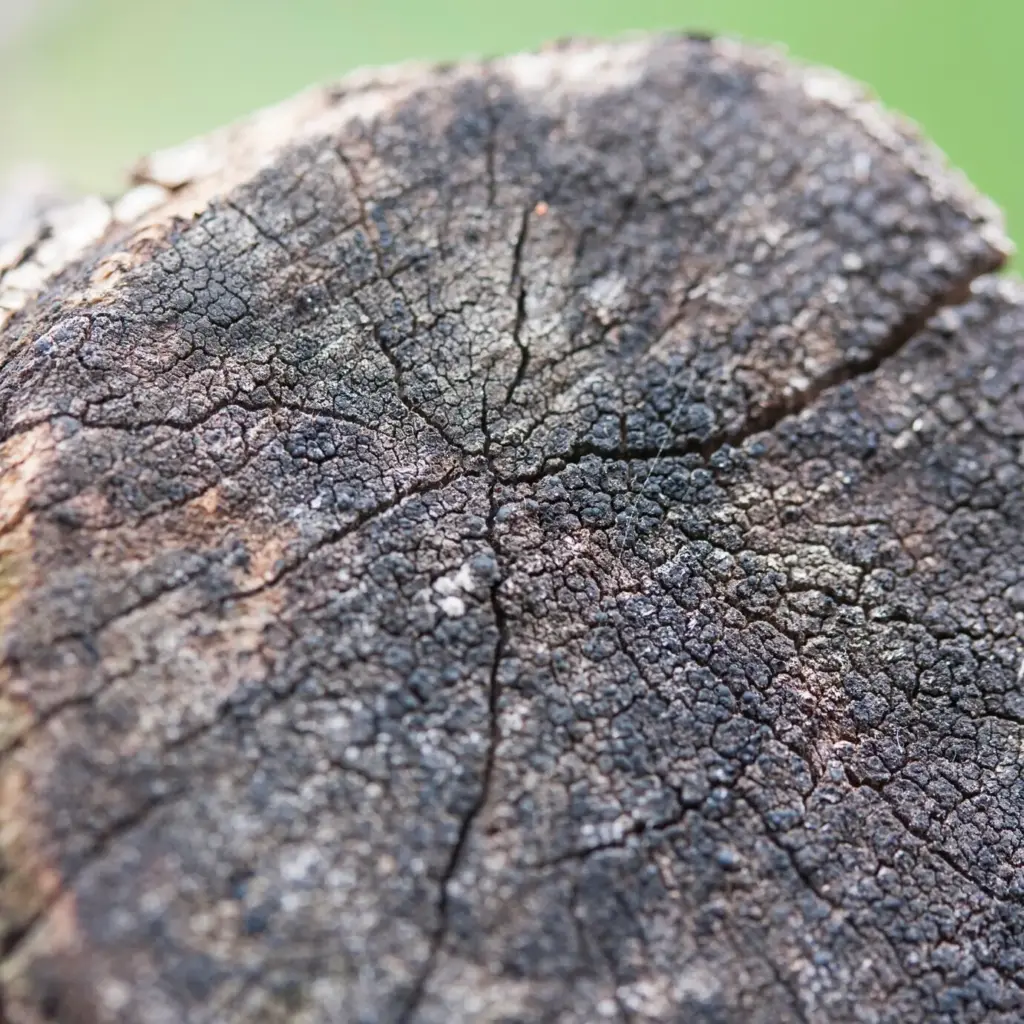
Playful Learning On the Path
Comfort, Safety, and Accessibility

Stewardship That Builds Belonging
Leave No Trace Made Friendly
Volunteer Days With Purpose
Share, Subscribe, and Co-Create
All Rights Reserved.