Slip Into Green: Quick Woodland Escapes Within Reach

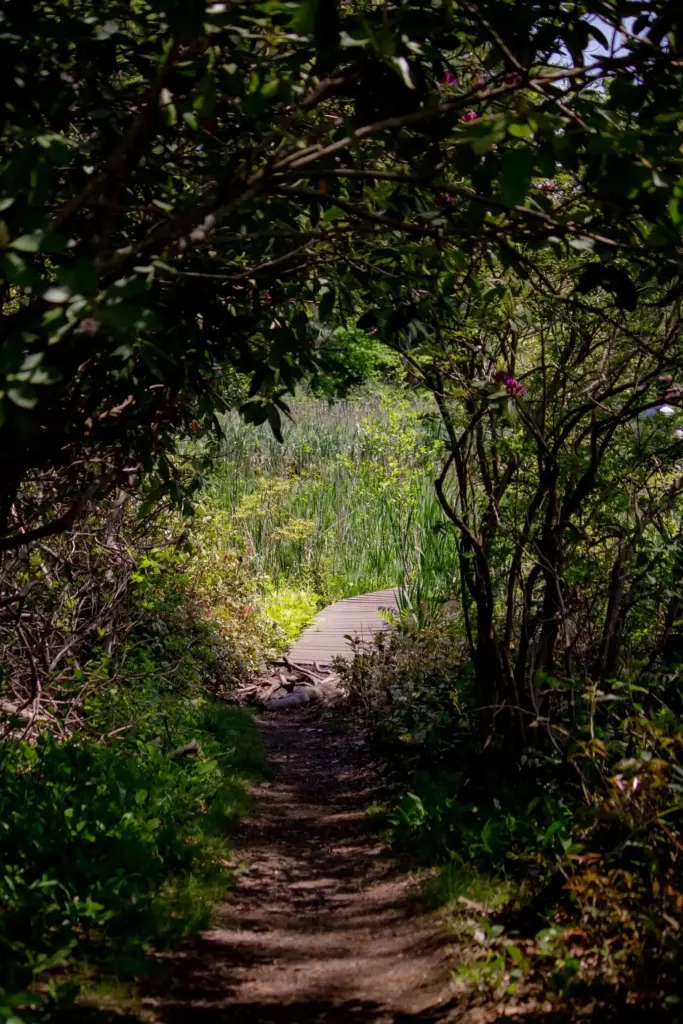
Today we step into Pocket Forest Walks Near Cities, celebrating compact, easily reached woodlands stitched between neighborhoods, rail lines, and rivers. These tiny sanctuaries invite spontaneous pauses, from a lunchtime loop to a dusk stroll, easing stress while revealing birdsong, leaflight, and the living texture of urban nature. Expect practical tips, heartfelt anecdotes, and confident guidance to help you find, enjoy, and care for these nearby green wonders without complicated planning or long travel.

How to Spot Micro-Woodlands on Maps

Start by scanning satellite layers for irregular dark-green patches hugging parking lots, canals, or school grounds. Search municipal sites for “urban woodland,” “pocket forest,” or “micro-grove,” and explore community forums for shared routes. OpenStreetMap often labels informal paths, while local biodiversity groups publish inventories that hint at hidden entrances. Keep notes on transit stops and nearby cafés, so a simple errand can suddenly include a restorative loop under whispering leaves.

Reading the Edges: Entrances, Paths, and Hidden Gates

Pocket woodlands often reveal themselves through clues: scuffed soil cutting through grass, a break in hedging, or a modest gate flanked by dog-walking signs. Notice desire lines where locals already wander. Look for wayfinding posts, trail chips, or bark mulch indicating stewardship. If an entrance feels unclear, circle the block; many sites offer secondary access around a bend. Respect fences and restoration zones, and favor low-impact footsteps that keep these fragile edges resilient and welcoming.

Public Transit: Door-to-Grove in Minutes

Plot short transfers that turn idle minutes into leafy moments. A bus stop behind a supermarket might open onto a shady loop, perfect for decompressing before meetings. Rail trails often intersect planted corridors that hum with pollinators in summer. Keep a tiny kit—water, bandana, notebook—so you can step off, walk a mindful circle, and rejoin the day refreshed. Share your favorite quick connections with neighbors; collective knowledge keeps these green shortcuts alive and cared for.

What to Bring for a Fifteen-Minute Escape

The Micro Kit That Disappears in Your Pocket

Slip in a small water flask, a bandana that doubles as sun shield or lens wipe, and a slim notebook for quick observations or gratitude lines. Add a compact litter bag to leave the place better than you found it. A phone does maps and plant IDs, but resist distraction by pre-downloading routes. Keep the whole kit featherlight, so the easiest choice always becomes stepping off the sidewalk and into that inviting, dappled shade.

Kid-Friendly Comforts Without the Bulk

For families, mini adventures work best when snacks, wipes, and a bright scarf for playful trail markers are handy. Small magnifiers help children explore bark texture, ant paths, and moss universes. Choose layered clothing and slip-on rain covers to handle surprise showers. Let kids lead the pace—pocket forests reward slow looking. Celebrate small discoveries with a sticker on a shared map, transforming tiny excursions into a joyful series everyone anticipates throughout the week.

Weather-Smart Choices for Changing Skies

City woodlands intensify weather contrasts—cooler shade on hot days, brisk breezes by open edges. Wear breathable layers and bring a light shell for wind-tunnel streets. On muddy paths, choose tread that protects both ankles and soil. In bright seasons, a cap and pocket sunscreen extend comfort. In winter, wool socks and a thermos invite lingering. Preparedness turns a short loop into a reliable ritual, whatever the forecast hints at from your window.

Seasons in Small Woods

These intimate groves change character dramatically across the year. Bud break paints fresh translucence in spring; heat draws insect orchestras and deep shade in summer; autumn scatters copper mosaics; winter pares everything back to form and birdsong. Visiting the same pocket at different times deepens familiarity and meaning. You’ll learn where light pools, which corners host wrens, and which log cradles fungi after rain. Repetition becomes story, turning short walks into a cherished practice.

Spring Into Listening: Buds, Bees, and Early Birds

Spring invites soft focus and patient ears. Look for sallow blossoms summoning bees, and watch sunlight flicker through unfurling leaves like stained glass. Some pocket groves amplify dawn songs of robins and blackbirds, making breakfast strolls surprisingly musical. Notice ephemeral flowers hugging paths, then vanishing as canopy thickens. Keep steps gentle, soil is tender. Jot first sightings in a small journal; returning next week becomes a reunion with voices that have learned your rhythm.

Deep Shade and Restful Heat Management

In high summer, small woodlands become reliable coolers. Seek benches near understory thickets where breezes slip through layered leaves. Watch butterflies play thermal edges along sunlit clearings. Hydrate steadily and pause often; the point is comfort, not pace. If trails are busy, step aside, breathe, and practice noticing three sounds. Share shade with other visitors kindly. A few measured minutes can reset a sweltering afternoon, replacing heat fatigue with gratitude and calmer attention.

Amber Leaves, Quiet Branches, and Winter Clarity

Autumn scatters crisp paths perfect for mindful crunches, while fungi emerge after rains like tiny lanterns along logs. Winter unveils architecture: branching patterns, nest silhouettes, and the subtle geometry of trunks. Bring warm layers and curiosity about textures revealed when leaves depart. Listen for the soft tick of sleet on holly. Familiar loops feel newly spacious, encouraging slower breathing and reflective pauses. Short days need small joys; these woods deliver precisely when light fades earliest.

Tree Layers That Build a Living Room

Start with the canopy—oaks, maples, or native evergreens shading pathways—then notice understory anchors like hawthorn or serviceberry offering nectar and nesting refuge. Shrub belts shelter wrens; groundcover ferns knit soil. Fallen leaves are habitat, not mess. Dense, varied layers dampen noise, cool air, and welcome wildlife. Learning these strata helps you see how small patches perform big ecological work, and inspires respectful footsteps that protect roots, saplings, and the quiet labor of decay.

Understory Dramas: Pollinators, Beetles, and Moss

Peer closely where light softens. You’ll discover hoverflies mimicking wasps, ground beetles patrolling for pests, and lacewing eggs perched on delicate stalks. Mosses bead with dew, holding moisture like tiny reservoirs. These subtle actors stabilize the pocket ecosystem, supporting birds and balancing insects without noise or spectacle. Carry a magnifier to deepen wonder, and share photos with local groups. Attention is a gift; the more you notice, the better these places tend to flourish.

Record What You See and Help It Thrive

A single observation—flowering dates, bird calls, a new sapling—adds to community knowledge. Use citizen-science apps to log sightings and flag invasive species. Join weekend counts hosted by neighborhood groups. Responsible documentation guides care, funding, and planting decisions that improve shade, habitat, and resilience. Celebrate small wins, like spotting ladybird larvae on nettles. Collective curiosity creates guardianship, ensuring these pockets stay vibrant for commuters, dog walkers, and children discovering nature one bright morning at a time.

Mindful Walking and Everyday Restoration

Short walks work wonders when approached deliberately. In tiny woodlands, you can finish a loop before emails tug again, yet return calmer and more focused. Build a ritual: pause at the entrance, notice one scent, and choose an easy pace. Practice gentle curiosity instead of goals. Acknowledge thoughts like clouds and return to breath or birdsong. Mindfulness paired with green surroundings becomes practical, portable self-care, available between errands, before meetings, and after difficult conversations.

One Minute to Arrive

Stand at the threshold, feet steady on the path. Name five things you see—leaf shapes, bark textures, light patches—then four you feel, three you hear, two you smell, and one you are grateful for. This quick ritual settles mental noise and primes attention for subtle details. By anchoring in senses, you transform a brief wander into restorative presence. Repeat at the exit to notice shifts in breath, shoulders, and outlook as you rejoin the street.

Pocket Journaling for Clarity

Carry a slim notebook or use a dedicated, offline note app. After your loop, write three lines: a detail you noticed, a feeling in your body, and one question for tomorrow. Over time, patterns emerge—bird cycles, light angles, moods. The practice builds memory of small joys that steady difficult days. Share excerpts with friends or in a local nature group to spark conversation, deepen community, and encourage others to discover nearby green refuge.

Slow, Quiet, and Respectful Encounters

Let your pace follow the smallest interest—a leaf skeleton, a spider’s anchor line, a distant call. Keep voices soft and headphones low, honoring neighbors and wildlife. Step aside for runners, greet dog walkers, and thank volunteers you meet trimming paths. When we treat these places as shared rooms, they respond with trust: birds stay visible longer, and strangers swap helpful tips. Kindness accumulates like leaf litter, steadily enriching soil for the next visitor’s calm.

Community, Care, and Sharing the Path
Pocket woodlands flourish when neighbors notice them, speak up for thoughtful care, and celebrate their benefits. Join local groups advocating shade, bird habitat, and safer crossings. Share easy transit directions and short loops to lower barriers for first-time visitors. Offer inclusive guidance for mobility needs, and amplify community-led planting days. Your voice matters: every comment, photo, or small cleanup builds momentum. Together, we can grow welcoming, resilient green corners that meet daily lives with kindness.

Volunteer Days That Multiply Shade

Look for weekend planting or mulching sessions run by councils, schools, or conservation charities. Even an hour helps. You’ll learn practical skills—proper watering, root care, litter reduction—and meet neighbors who love the same paths. Share before-and-after photos to inspire others and invite new hands. These events convert appreciation into action, ensuring future summers feel cooler, bird nests safer, and edge habitats richer. Small efforts repeated often become enduring shade and shared pride.

Accessible Routes and Welcoming Design

Advocate for firm surfaces, gentle gradients, and clear edges that guide canes or wheels. Benches at thoughtful intervals transform short loops into inclusive gatherings. Wayfinding can be tactile and visual without cluttering the view. Share feedback on muddy choke points, and praise improvements. When routes welcome varied bodies and energy levels, more neighbors feel invited, increasing safety and care. Accessibility is not a bonus; it is the heartbeat of civic green spaces that truly belong to everyone.

Share Your Loop and Join the Conversation

Map a simple circuit from a transit stop and post it with travel time, highlights, and seasonal notes. Invite readers to comment with their favorite quick escapes, then compile a community guide. Encourage subscriptions for monthly micro-walk challenges, gentle prompts, and local meetups. Your story—a hurried lunch transformed by birdsong, or a child naming new leaves—can nudge someone else outside today. Together, we weave a living network of short, joyful, restorative walks.
Luxunaramemukuvo
Privacy Overview

This website uses cookies so that we can provide you with the best user experience possible. Cookie information is stored in your browser and performs functions such as recognising you when you return to our website and helping our team to understand which sections of the website you find most interesting and useful.