
Find Feathered Wonders in Pocket City Woods
Today we focus on Birdwatching Hotspots in Compact Urban Woodlands, revealing how small patches of trees near transit lines, schoolyards, and rivers host surprising migrations and resident species. Expect practical routes, seasonal cues, conservation notes, and friendly tips that invite you to listen closer, look slower, and share discoveries.
Where Tiny Forests Hide in Plain Sight
Small city groves often sit beside sports fields, cemeteries, canal paths, and commuter platforms, looking unremarkable until you notice how branches knit corridors for movement and shelter. Learn to spot canopy clusters on maps, find respectful entrances, and approach quietly so early arrivals are not flushed before you enjoy their brief, mesmerizing stay.



Seasonal Rhythm and Prime Hours
Spring Waves in Small Spaces
As leaf-out progresses, insects bloom along sunny edges, drawing migrants lower. Watch south-facing clearings where birds warm quickly after chilly nights. A ten-meter gap can become a parade route for brightly plumaged travelers, offering exceptional views that feel improbable in such snug corners surrounded by sidewalks, storefronts, and rushing weekday traffic.
Autumn Food Frenzy
Look for viburnum, dogwood, and crabapple holding clusters of ripe berries. After light rain and north winds, thrushes drop in silently, then reveal themselves with soft chucks as they hop through understory shadows. Scan fruiting limbs at eye level, where motion, not color, betrays the feast and prompts patient, rewarding observation.
Winter’s Quiet Rewards
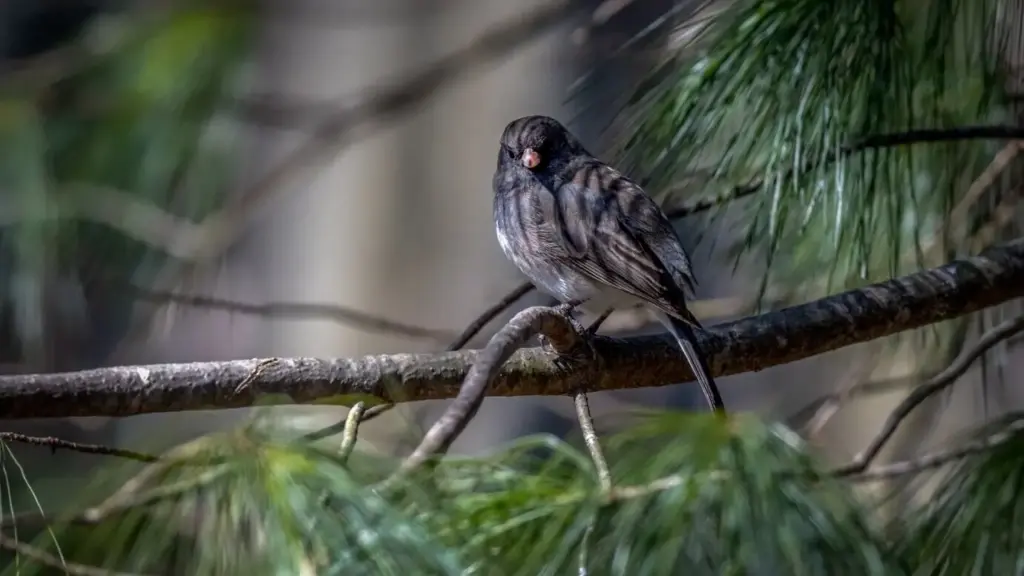
Cold months distill activity. Nuthatches, chickadees, and Downy Woodpeckers patrol trunks, while a dusk stakeout may uncover a small owl choosing a sheltered roost. Footprints in fresh snow trace where birds fed earlier, guiding your next visit and teaching which microhabitats hold life when everything seems still and spare.
Microhabitats that Multiply Species
Even the smallest grove holds varied niches: brushy edges, damp hollows, snag-rich corners, and ivy-clad fences. Each pocket concentrates different food and shelter. Rotate slowly between them, letting contrasts in light, leaf texture, and airflow reveal discreet communities. The richer your understanding of these microhabitats, the more consistently your sightings flourish.
Lightweight Gear and Fieldcraft
Compact places reward minimal gear and thoughtful habits. Small binoculars, a slim notebook, and quiet shoes often outperform bulky packs. Keep hands free, move deliberately, and use cover. Learning to read wind, light, and flow of walkers lets you position yourself for brief, sparkling encounters without disturbing birds or neighbors.

Recording Observations with Care
Submit lists with precise times, careful counts, and honest uncertainty. Noting behavior and habitat strengthens conservation value far beyond a species name. When something rare appears, obscure exact perches until pressure eases. Your caution protects birds and keeps small spaces welcoming rather than overwhelmed by sudden, eager crowds.
Micro-Events and Walks
Host a short sunrise wander for neighbors, focusing on two or three stops within easy reach. Provide loaner binoculars, discuss etiquette, and model slow looking. Small gatherings build trust, amplify joy, and generate useful observations while ensuring access remains inclusive, safe, and sensitive to residents living beside these green refuges.
Stories from the Woods: Moments that Stay
Memorable encounters build loyalty to small groves. Personal stories help newcomers feel welcome and curious. We invite you to share your own sightings below, subscribe for seasonal notes, and return often. The smallest patch can hold a lifetime’s worth of awe if you arrive attentive, respectful, and ready to listen.

All Rights Reserved.