Step Into Pocket Woodlands That Communities Built

Today we explore visiting community-planted micro-forests, highlighting where to find these dense, fast-growing patches, how to move through them with care and courtesy, and the measurable and felt impact they deliver for neighborhoods, biodiversity, climate resilience, and everyday urban joy. Bring your curiosity, questions, and a willingness to tread lightly as we map routes, share stories, and invite you to participate respectfully in living green infrastructure crafted by caring hands.

Finding Micro-Forests Near You

Urban micro-forests often hide beside schools, parking lots, stormwater swales, and transit stops. We’ll help you navigate municipal registries, volunteer group pages, and mapping apps, so your next walk, bike ride, or bus trip can include a restorative detour into thriving, community-tended greenery.

Community Maps and Open Data

Find crowdsourced pins from local ecology clubs, city tree inventories, and open-source layers labeling Miyawaki plots or native habitat plantings. Cross-check dates, since young plantings change fast, and message organizers if coordinates look off. Save offline maps in case cellular coverage fades among taller plantings.

Reading the Landscape

Look for layered plantings with dense shrubs under young trees, irregular edges, deep mulch, and small signs explaining species mixes. Nearby water channels, bioswales, or schoolyards often signal a community effort. Notice desire paths; they reveal common routes and spots needing extra care underfoot.

Accessibility and Safety

Check surface types, curb cuts, and shade along approaches, and look for benches or resting points if mobility is a concern. Go with a buddy at dusk, let someone know your route, and respect closure notices after storms or heavy maintenance days.
Paths, Mulch, and Young Roots
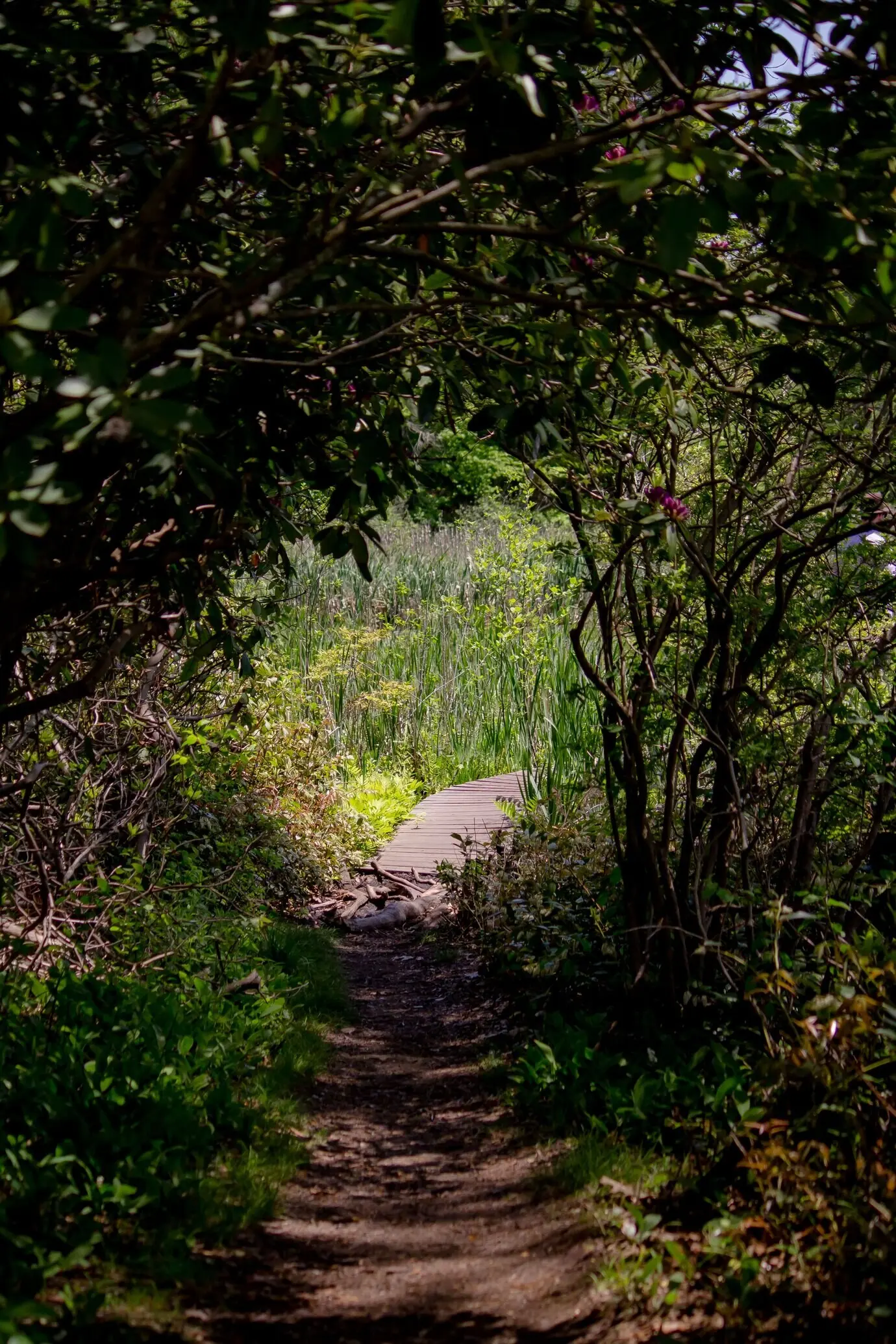
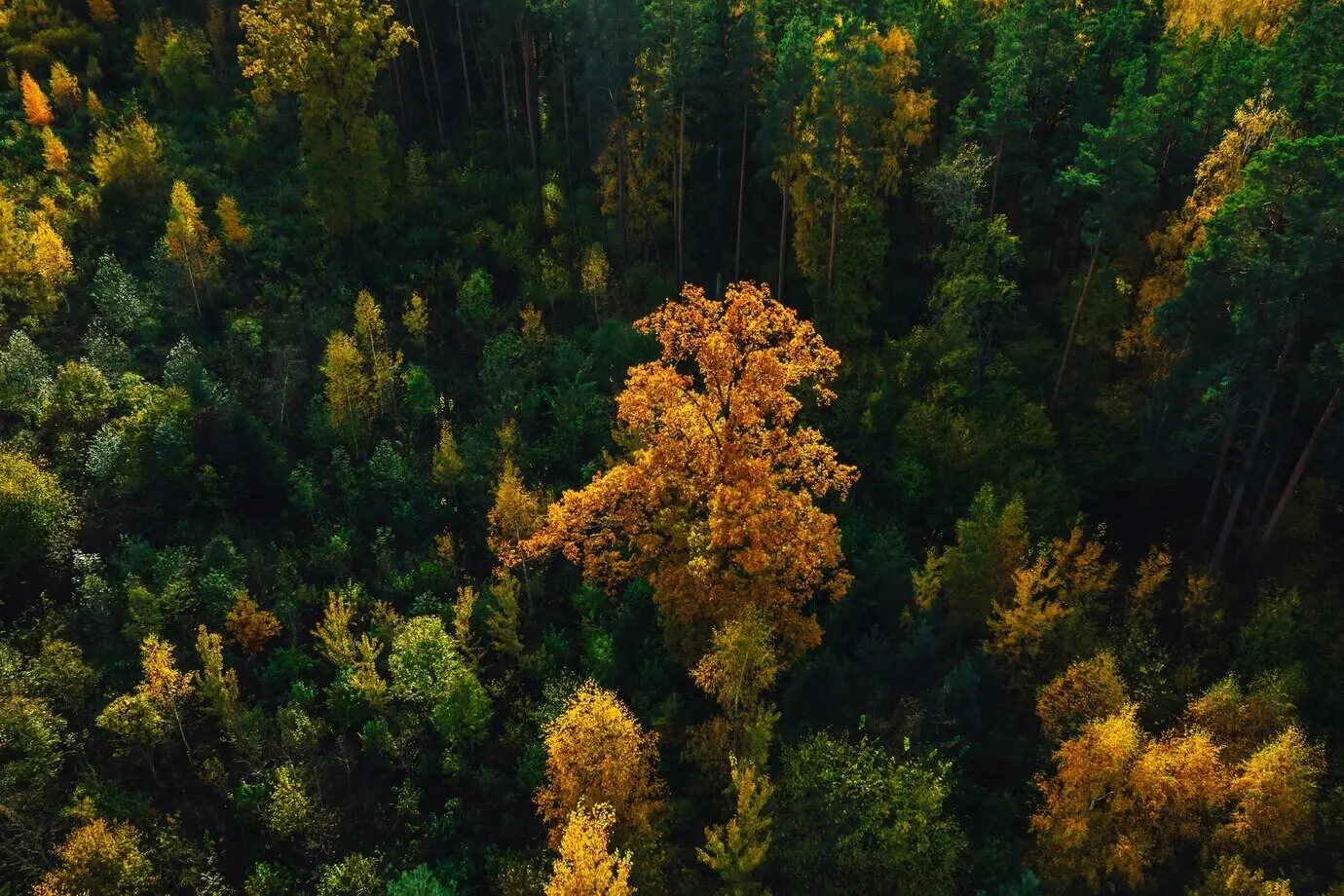
Stay on designated paths or stepping stones, even when curiosity tempts a closer look. Thick mulch protects soil structure and retains moisture; it also hides delicate root systems that bruise easily. If a ball rolls in, ask a steward before retrieving it.

Wildlife-Friendly Behavior

Keep dogs leashed, respect nesting seasons, and maintain a gentle volume. Avoid feeding wildlife or picking flowers, which can disrupt nutrient cycles and monitoring data. Move slowly, scan for insects sunning on leaves, and let children observe quietly before touching anything with supervision.

Impact You Can See and Feel

Cooling and Comfort

On heatwave days, temperatures can differ dramatically between open asphalt and young woodland edges. Notice how shade lines migrate, breezes accelerate around trunks, and evaporative cooling settles bodies and tempers. Residents often linger longer, greeting neighbors they might otherwise rush past without a pause.

Biodiversity Up Close

Watch pollinator guilds shift across weeks: early bees on willow catkins, swallowtails on fennel, lady beetles hunting aphids along native grasses. Keep an informal log or share photos with local naturalists; patterns you notice can inform stewardship plans and school projects nearby.

Soil, Water, and Carbon

Beneath the mulch, fungal networks weave connections that stabilize soil and feed roots. Rain slows, infiltrates, and emerges clearer downstream. Carbon gains are modest per plot but meaningful when replicated across a city, especially alongside avoided emissions from reduced air-conditioning demand.

Stories from Tiny Woodlands

People bond here through shared discovery: a neighbor pointing out a warbler’s call, a grandparent recognizing a fruiting hedge from childhood, a volunteer laughing at muddy boots after a sudden cloudburst. These moments stitch memory into place and keep stewardship joyful between workdays.

A Saturday with Neighbors

We arrived with rakes and left with a WhatsApp thread buzzing about hawthorn blooms. Someone brought homemade lemonade; someone else mapped bird sightings. The work was light, the laughter easy, and the sense of shared responsibility grew roots as surely as the saplings.

A Child’s Discovery Walk

A five-year-old knelt to compare leaf shapes, whispering new words—lanceolate, serrated, evergreen—like spells. She counted pill bugs, asked where rain goes, then announced she could hear the soil. Her wonder reminded adults to slow down, ask better questions, and celebrate tiny, repeatable victories.

Plan the Perfect Visit

Preparation turns a short stop into a meaningful encounter. Check weather and pollen counts, wear closed-toe shoes, and bring water. Think about timing for light and quiet, invite a friend, and decide in advance how you will minimize disturbance while maximizing curiosity and delight.

Share, Support, and Return

Your visit can ripple outward through shared observations, steady donations, and cheerful return trips. Post respectful photos, tag local groups, and ask how to help. Together we can strengthen care networks that keep saplings watered, volunteers energized, and public enthusiasm steadily growing across neighborhoods.
Luxunaramemukuvo
Privacy Overview

This website uses cookies so that we can provide you with the best user experience possible. Cookie information is stored in your browser and performs functions such as recognising you when you return to our website and helping our team to understand which sections of the website you find most interesting and useful.