At the City's Edge: Wildflowers, Foliage, and Mushrooms Through the Seasons

Step beyond the pavement and into compact woodland pockets where city noise softens and seasonal drama unfolds. Today we explore seasonal highlights in city-edge mini-forests—wildflowers, foliage, and mushrooms—following their changing colors, scents, and shapes, and sharing stories, careful tips, and invitations to post your sightings, comment, and return often.

Spring Awakenings Along the Urban Fringe
Ephemeral Wildflower Parade

Look for wood anemone, violets, and bluebells threading through leaf litter before tree canopies fully leaf out, stealing spring sunlight while it lasts. Note their fleeting schedules, photograph gently, and mark patches on a map so you can greet them again next year.

Pollinators on the Wing

Early bees, hoverflies, and even curious butterflies cruise sheltered edges, sipping from tiny blossoms and puddles warmed by sunlit asphalt. Pause near brambles and hedges, listen for gentle wingbeats, and keep distance while observing behaviors that link flowers, nesting sites, and the nearby neighborhood gardens.

Soils Warming, Paths Drying

Underfoot, warming soils breathe out forest scents as fungi, microbes, and earthworms accelerate their hidden work. Notice how footpaths dry unevenly, revealing shaded hollows that stay slick longer. These patterns explain where spring flowers persist and where young saplings finally take hold.

Summer Layers of Life

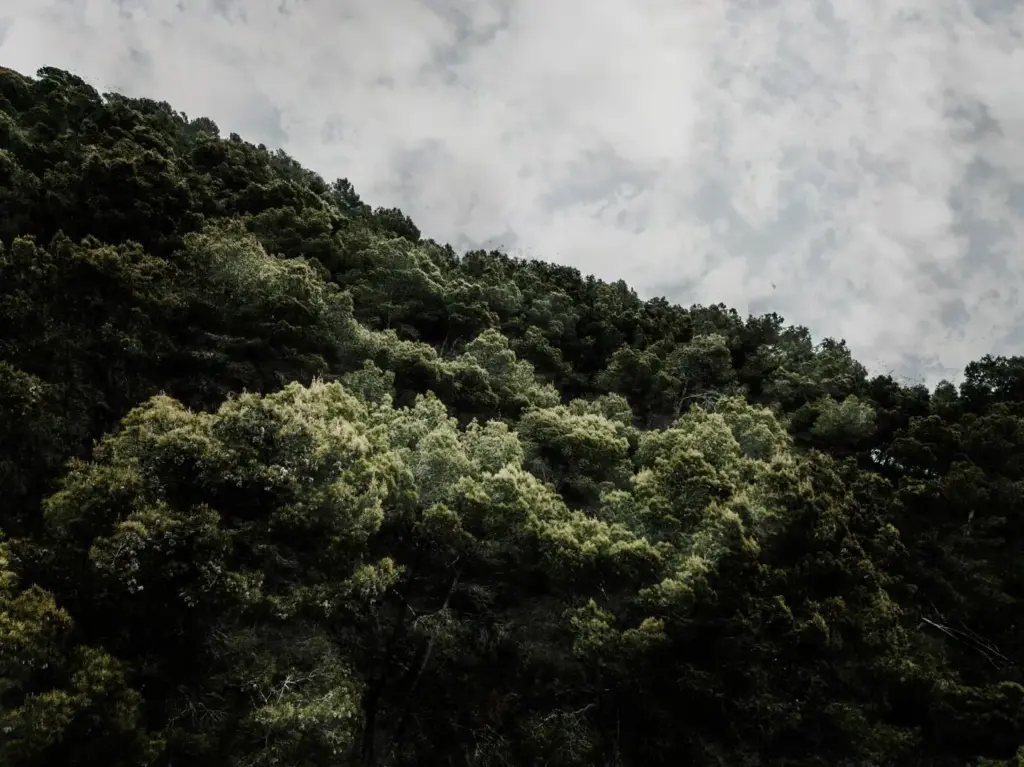
Heat thickens the air and the city’s edge slows into a green chorus. Grasses lean, shrubs knit living walls, and canopy leaves filter glittering light. Paths smell of resin and crushed mint. With patience, one square meter reveals spiders weaving, beetles patrolling, and quiet miracles unfolding unnoticed by hurried commuters.

Autumn Color and Quiet Surprises

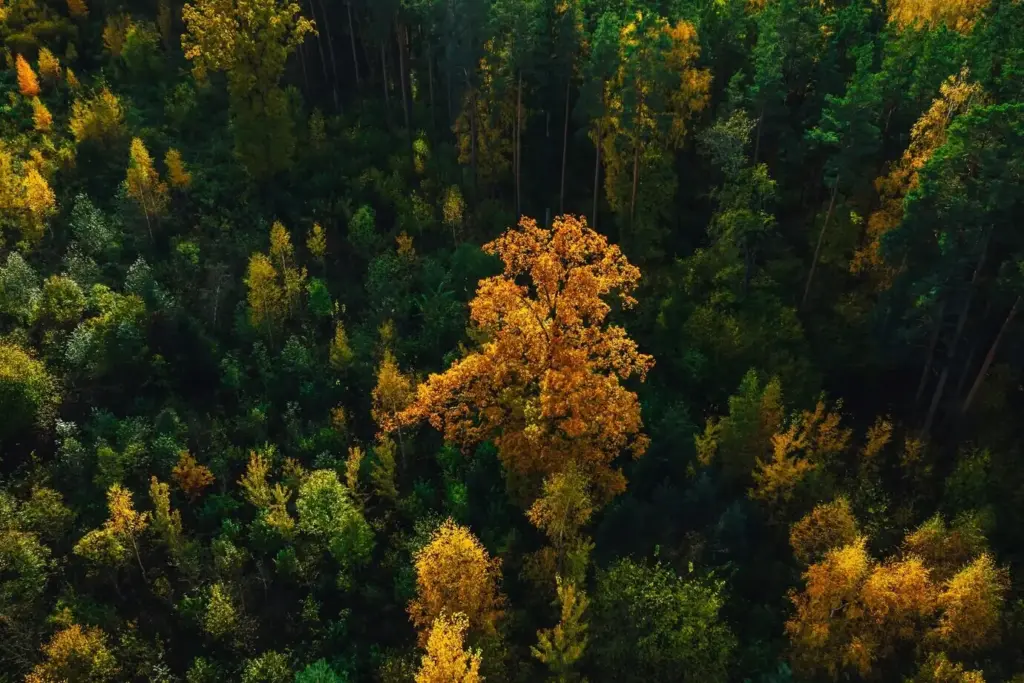
Edge woodlands glow as chlorophyll drains, revealing pigments that feel hand-painted: maple crimsons, birch golds, sumac scarlets. Mushrooms rise overnight like punctuation, and animals stash winter plans. Slow your stride, bring a notebook, and record tiny changes that, together, describe the great turning of the year.

Winter Rest, Subtle Wonders

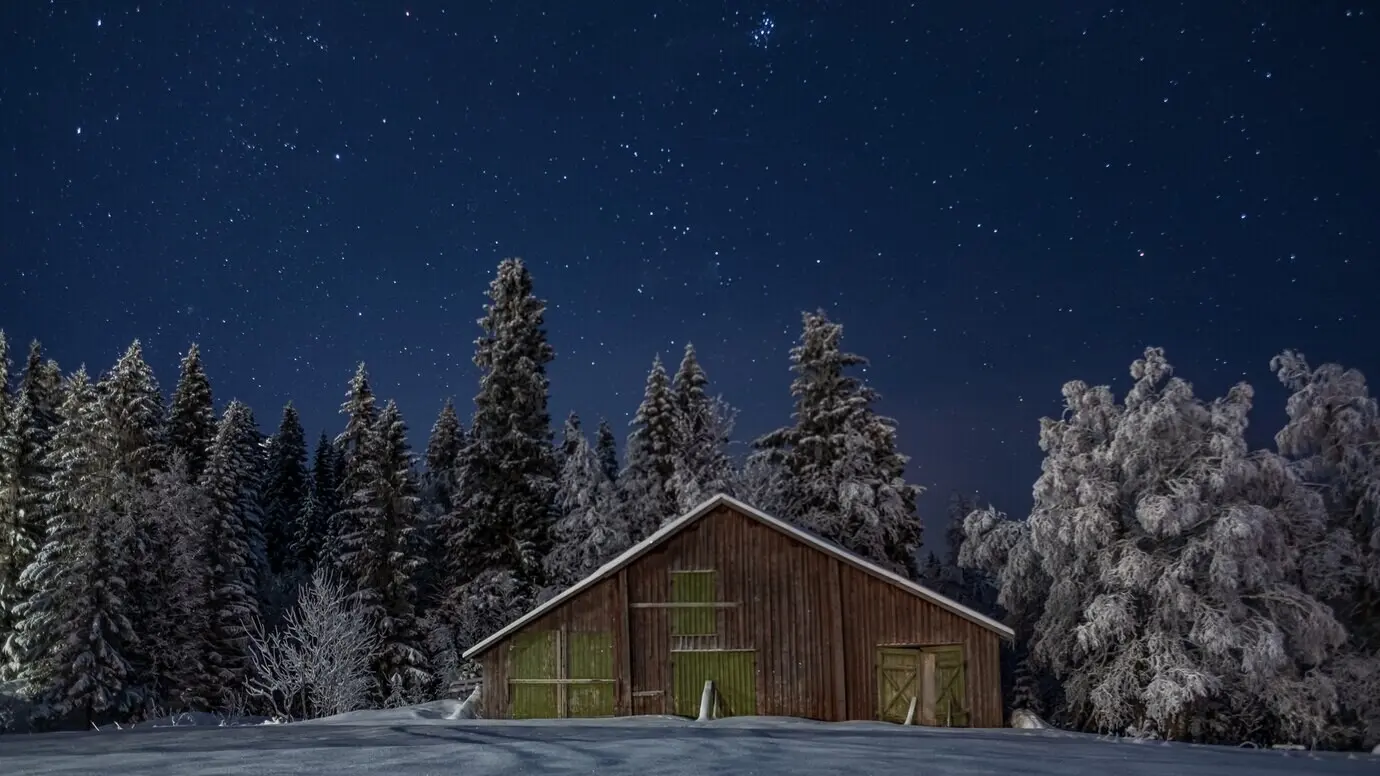
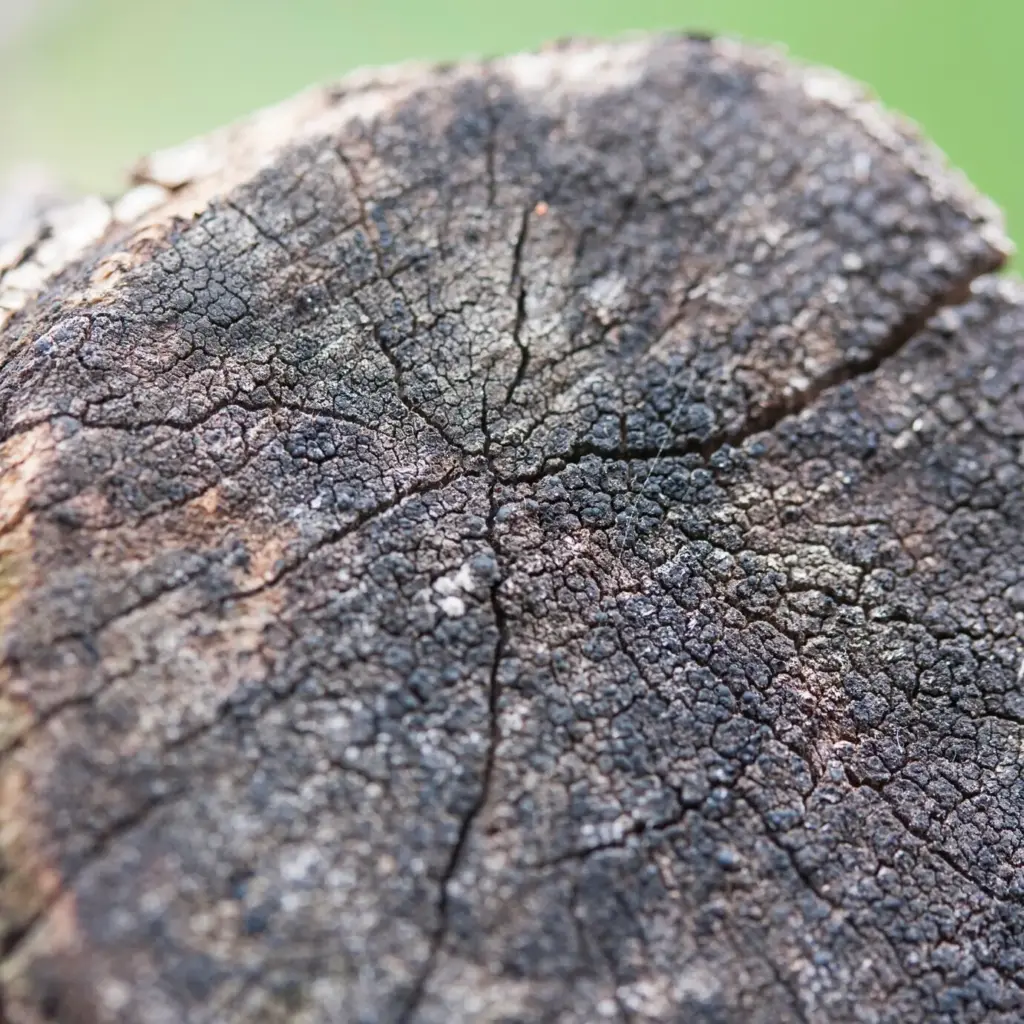
When leaves fall silent, textures speak: bark ridges, lichen rosettes, and the hush of snow muting distant traffic. Breath steams, footsteps crisp, and low sun sketches long stories. Notice tracks, study buds, and appreciate the resilient structures that carry life safely through cold, hunger, and brief light.

Responsible Enjoyment and Safety

City-edge woodlands invite closeness, yet they ask for careful choices. Stay on paths when soils are saturated, pack out litter, and keep dogs leashed near nesting sites. Learn local regulations, skip harvesting without permission, and place community well-being alongside curiosity, photographs, and personal collections of memories.

Foraging Ethics and Identification

Tantalizing mushrooms and edible greens appear within easy reach, but urban edges complicate safety with pollution, misidentification risks, and property boundaries. Consult multiple field guides, join expert walks, and practice restraint; celebrate finds with photographs, habitat notes, and shared learning rather than unverified tasting that could hurt you or wildlife.

Respect for Habitat and Neighbors

Small forests sit beside homes, schools, and workspaces. Lower voices, yield space to families, and greet grounds staff. Avoid widening desire paths, leave deadwood for insects, and photograph without trampling. Your kindness anchors trust, funding, and future access for everyone who loves these living edges.

Accessibility and Seasonal Preparedness

Check trail surfaces after storms, wear bright layers near roads, and pack water even for short strolls. In summer, protect against ticks and sun; in winter, favor traction and daylight. Share conditions with neighbors, helping more people experience safe, welcoming, restorative pockets within walking distance.

Photography Tips in Dappled Light

Forest edges challenge cameras with bright sky and dark understory. Use early or late light, step closer, and meter for mid-tones. Brace against trees, experiment with angles, and capture context—nearby storefronts, bike racks, or bus stops—so your images tell stories about nature thriving beside everyday movement.

Phenology Journals and Apps

Start a notebook or use community science tools to log first flowers, peak color, and fruiting flushes. Add weather notes, exact locations, and companions present. Over months, patterns emerge that guide future walks, restoration plans, and neighborhood conversations about climate, shade, and shared green priorities.

Community Walks and Citizen Science

Host seasonal walks with neighbors, local rangers, or school groups, inviting varied ages and expertise. Submit observations to platforms that aggregate data, strengthening understanding of edge habitats. Encourage respectful curiosity, celebrate small discoveries, and watch participation grow as people recognize wonders waiting right beside bus routes and apartment courtyards.
Luxunaramemukuvo
Privacy Overview

This website uses cookies so that we can provide you with the best user experience possible. Cookie information is stored in your browser and performs functions such as recognising you when you return to our website and helping our team to understand which sections of the website you find most interesting and useful.