
Walk, Ride, Wander: Exploring Urban Micro-Woodlands Without a Car
Today we explore Transit-Accessible Trails in Urban Micro-Woodlands, celebrating how small pockets of forest can be reached by train, bus, or tram, then discovered on foot. Expect practical tips, layered stories, and ecological insights that make short journeys transformative. Share your favorite stops, subscribe for fresh route ideas, and help grow a culture where everyday riders find birdsong, shade, and wonder a few steps from the platform.
Finding Green Pockets a Ride Away
Small wooded sanctuaries often hide just beyond station exits, stitched into neighborhoods by sidewalks, crossings, and a few thoughtful signs. Learn how to combine transit apps with park maps, read schedules strategically, and plan flexible last-mile connections that keep the journey light, safe, and spontaneous. Your comments about reliable transfers, seasonal detours, and early-morning gates can guide first-time visitors toward approachable, welcoming paths minutes from the city’s pulsing routes.

Life Thriving in Small Shadows
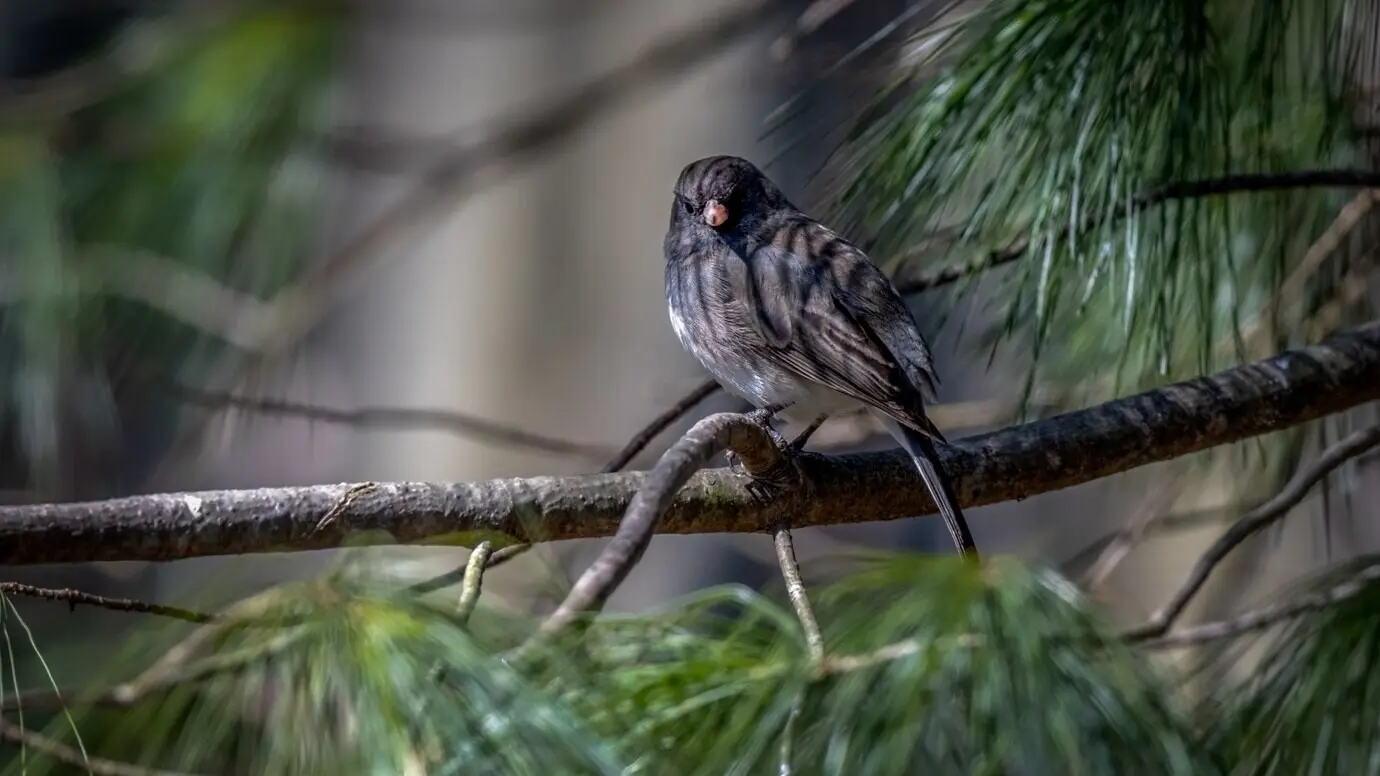
Micro-woodlands carry outsized ecological value because edges mix sun and shade, creating nurseries for saplings, butterflies, and songbirds. Beneath modest canopies, fungi weave networks that nourish roots while stormwater sinks into spongy soil. Walking slowly reveals textures—lichen constellations, squirrel tracks, shy understory blooms—that reward attention. Share observations generously so others learn to notice what the city often rushes past without a second glance.
Where pavement meets leaf litter, life crowds close: pollinators sip at wildflower margins, sparrows forage, and foxes slip between fences at dusk. Sunlit boundaries feed berries; shaded margins shelter amphibians from heat stress. This meeting of worlds intensifies sightings on short visits, perfect for riders hopping off for a restorative half hour. Respect the living border by staying on paths and letting small dramas unfold undisturbed.
Even tiny groves temper summer heat, cradle humidity for mosses, and hold rain in soil long enough to ease floods. Roots brace slopes beside rail corridors, while layered leaves muffle traffic. Winter wind breaks against trunk clusters, shaping calmer pockets for birds and people. Pausing to feel cooler air beneath branches makes the science tangible, translating climate charts into breathable relief close to home.
Turn casual strolls into contributions: log mushrooms in iNaturalist, record bird calls on eBird, or photograph seasonal leafing for phenology projects. Short, frequent visits create valuable data threads, showing migrations, blooms, and urban wildlife patterns. Tag observations with station names or route numbers to help planners see ecological value near platforms. Your commute becomes fieldwork with real influence.
Stitches That Bind Forests to Stations
Good connections feel seamless: ramps meet sidewalks, crosswalks lead to trailheads, and discreet wayfinding gestures visitors from platform bustle into leaf-dappled quiet. Designers balance root protection, stormwater flow, and accessible grades while placing benches where shade lingers. When agencies and neighbors collaborate, the result welcomes everyone, from elders with canes to cyclists escorting kids, without sacrificing the woodland’s intimacy or health.
Moments Between Stops
Short visits leave long echoes. A ten-minute detour beneath maples calms a noisy workday; a sudden hawk shadow resets attention; a hidden bench suggests journaling before the next transfer. Stories from riders—quiet, ordinary, unforgettable—build a shared map that deepens belonging. Send yours, too, so others can step off confidently, knowing wonder waits within a few careful turns from the platform.
Neighbors as Caretakers
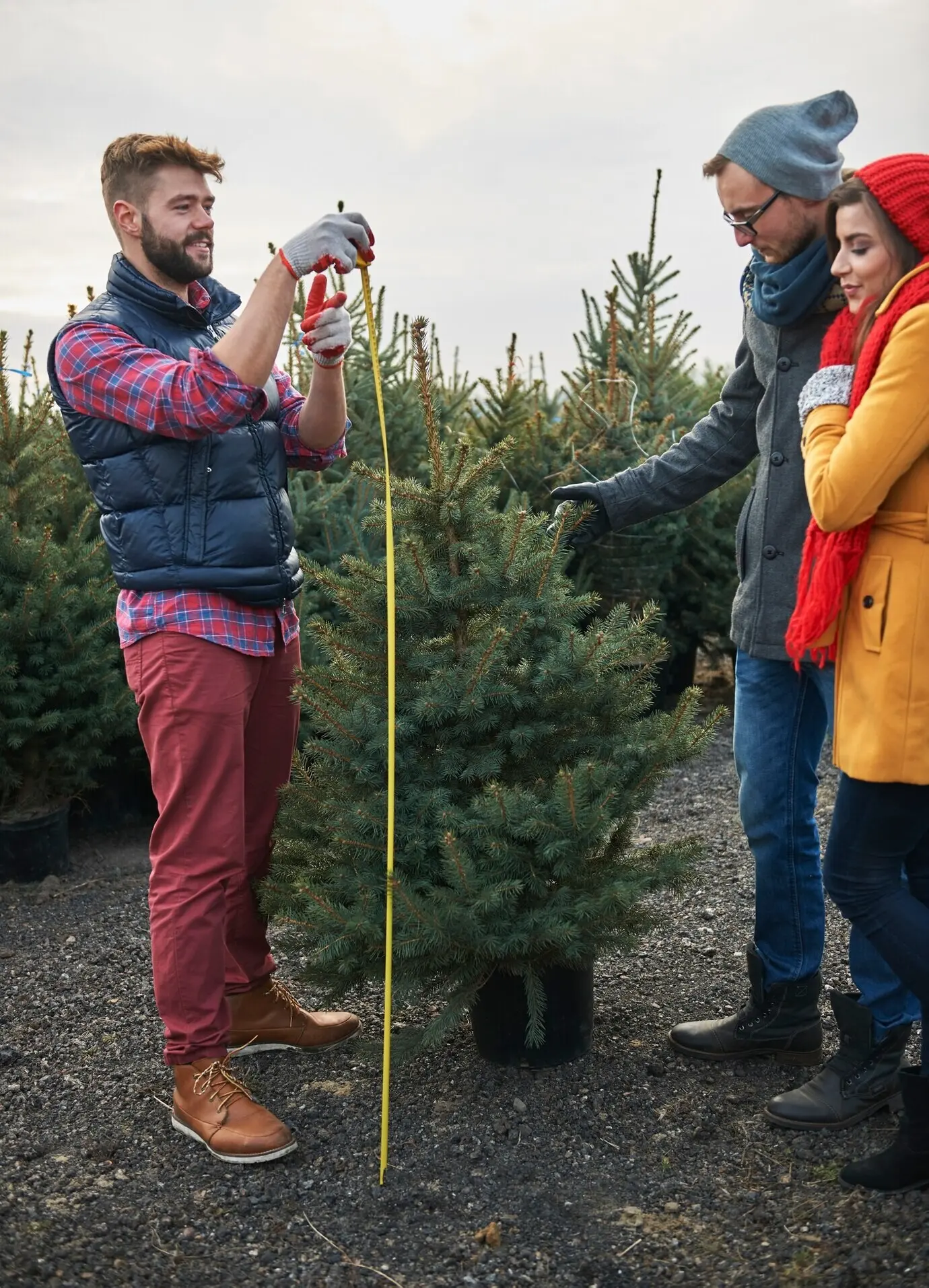
Healthy micro-woodlands rely on steady hands: volunteers who clear invasive vines, teachers guiding field notes, and riders who pick up stray wrappers on the way to the platform. Partnerships with transit agencies unlock storage, signage, and coordinated events. Regular care keeps paths welcoming while protecting nest sites and fragile soils. Join in, learn from experienced stewards, and help share gentle practices with newcomers.
Cleanups That Build Community
Monthly meetups do more than fill bags. They trade pruning tips, celebrate first-time bird sightings, and connect neighbors from different lines and languages. Leaders set clear safety norms and roles, while transit staff share station updates. When everyone values small wins—a cleared drain, a rescued sapling—momentum grows. Post before-and-after photos to inspire others and show the impact of consistent attention.
Youth Projects That Map and Care
Students chart mushrooms, tag tree species, and monitor soil compaction along popular shortcuts. Through art, zines, and simple data sheets, they translate findings for riders who might never open a scientific paper. Celebrate curiosity over perfection, and pair outings with transit literacy so youth learn routes confidently. The result is stewardship rooted in pride, access, and repeat visits throughout the year.
A Car-Free Saturday Circuit
Plan a gentle loop anyone can follow: a quick ride, a short walk to the canopy, a lingering hour among birds, then a snack and a smooth return. This outline adapts to seasons, family needs, and energy levels. Share your variations, subscribe for new circuits, and invite friends to join next weekend. Collective experiments create a living library of urban escapes reachable with one fare.

All Rights Reserved.